Remove unwanted permanent makeup
PMU Correction & Removal
Addressing previous color or shape concerns through a customized treatment plan.
Addressing previous color or shape concerns through a customized treatment plan.
Remove Unwanted Permanent Makeup with a Thoughtful, Corrective Approach
When previous permanent makeup has healed too dark, shifted in colour, become uneven, or no longer suits you, corrective treatments can help soften, refine, lighten, or remove unwanted pigment.
Julie Michaud offers a careful, customized approach to PMU correction and removal. Using a combination of colour and shape correction, saline tattoo removal techniques, and PMU laser treatments designed specifically for permanent makeup.
Refine or reverse previous permanent makeup with tailored solutions including colour correction, shape adjustments, saline removal, and PMU-specific laser treatments.
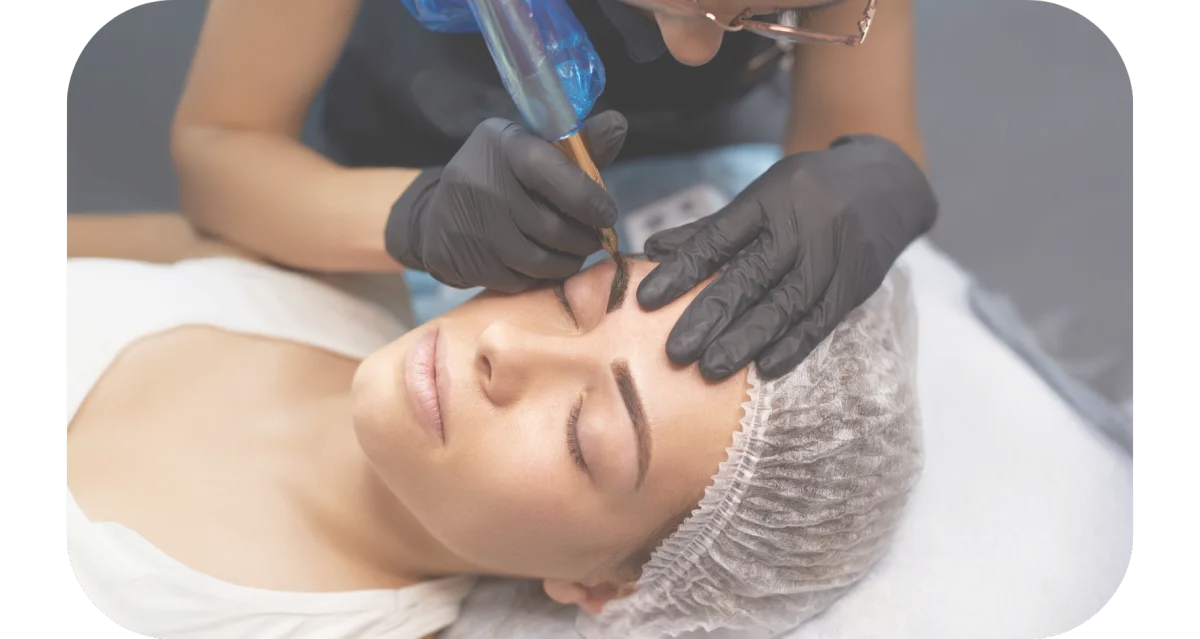
Correct unwanted tones, refine shape, and restore symmetry in existing permanent makeup. Each adjustment is approached with precision to create a softer, more balanced result that feels natural to you.
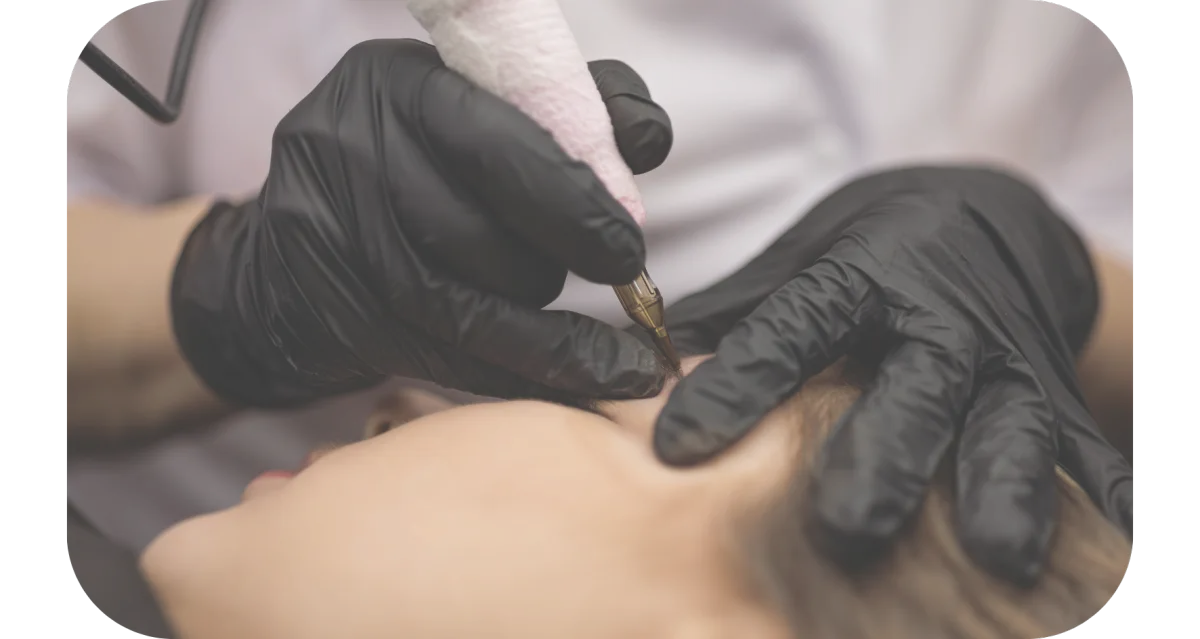
A controlled, non-laser method used to gently lift and lighten unwanted pigment. Ideal for softening previous work or preparing the skin for future correction.
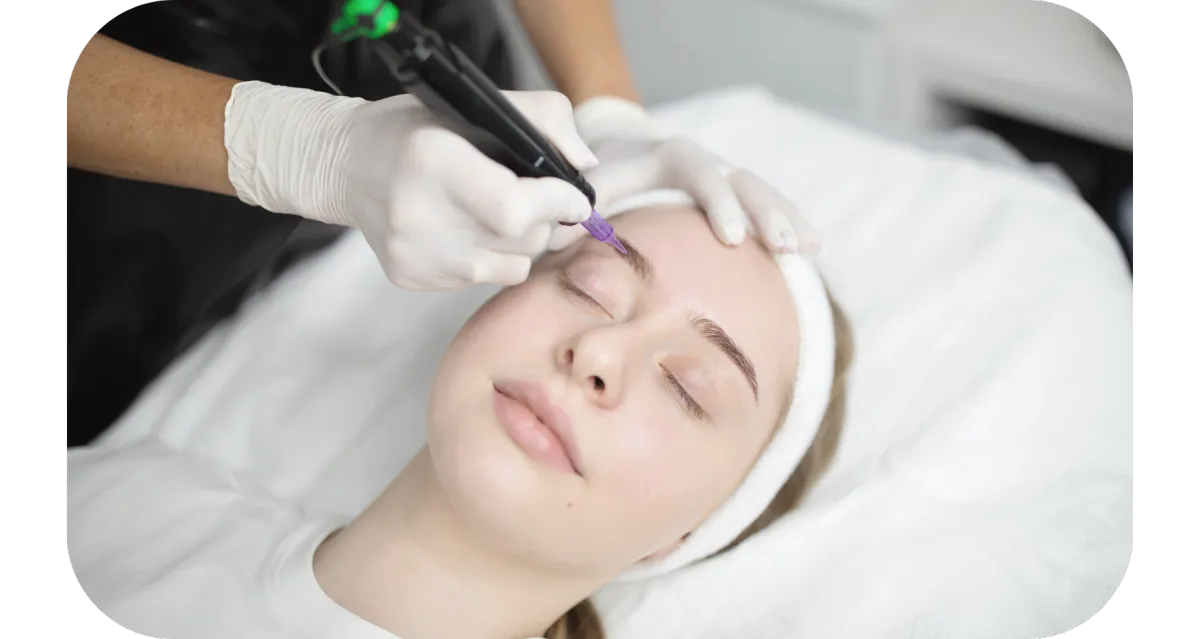
A gentle, progressive approach to softening and correcting unwanted brow pigment. Works by gently exfoliating the skin and encouraging natural cell turnover, helping to lift and soften pigment over time while maintaining the health of your skin.
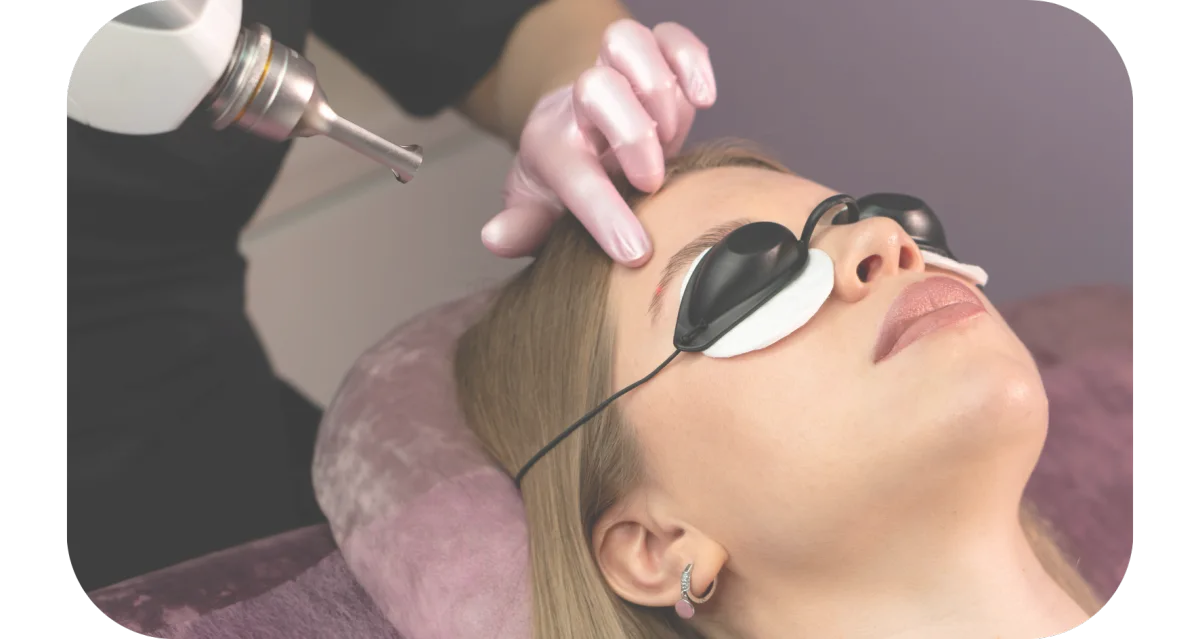
Advanced laser technology designed specifically for permanent makeup to safely break down pigment. Used for more complete removal or when deeper correction is needed.
Saline Tattoo Removal is a non-laser method used to lighten or remove unwanted pigment from the skin, commonly used for permanent makeup (PMU) like brows, lips, or eyeliner.
It works by implanting a specialized saline (salt-based) solution into the skin using a tattooing technique. This solution draws the pigment up toward the surface as the skin heals. As a natural scab forms and sheds, some of the pigment is lifted out with it resulting in gradual lightening over a series of sessions.
Unlike laser removal, saline removal is often preferred for:
Cosmetic tattoos (PMU)
Pigments that have shifted color (like red, orange, or gray tones)
Clients who want a gentler, more controlled fading process
The process is safe for most skin types and tones and can be especially helpful in cases where laser may not be the best first step.
What to expect:
Multiple sessions are usually required
Mild discomfort during the procedure
A healing period with light scabbing (this is part of the pigment-lifting process)
Gradual fading rather than instant removal
Overall, saline tattoo removal is a strategic, skin-conscious approach to correcting or removing unwanted pigment—helping create a better foundation for future treatments or a more natural look.
Saline Tattoo Removal is a non-laser method used to lighten or remove unwanted pigment from the skin, commonly used for permanent makeup (PMU) like brows, lips, or eyeliner.
It works by implanting a specialized saline (salt-based) solution into the skin using a tattooing technique. This solution draws the pigment up toward the surface as the skin heals. As a natural scab forms and sheds, some of the pigment is lifted out with it resulting in gradual lightening over a series of sessions.
Saline removal is ideal for permanent makeup (PMU) such as brows, lips, and eyeliner, as well as small cosmetic tattoos. It is especially effective for correcting shape, softening overly saturated pigment, or preparing the skin for future corrective work.
The number of sessions varies depending on the depth, density, and type of pigment used. Most clients require a series of treatments spaced several weeks apart to safely and gradually lift the pigment.
Yes, saline removal is generally considered safe for most skin types when performed by a trained professional. During your consultation, your skin will be carefully assessed to determine the most appropriate approach for your specific needs.
Saline removal offers a more controlled, targeted approach—especially for delicate areas like the face. Unlike laser, it does not rely on heat or light energy, making it a preferred option for certain pigments and skin tones, particularly in permanent makeup correction.
After treatment, a light scab will form as part of the natural healing process. As the skin heals, pigment is lifted away. Proper aftercare is essential to support healing and achieve the best results.
In some cases, significant fading or full removal is possible, but results vary. Many clients choose saline removal to lighten pigment enough for a correction or cover-up, rather than complete removal.
When performed correctly and followed with proper aftercare, the risk of scarring is minimal. Your practitioner will guide you through pre- and post-care to support healthy skin healing.
Treatments are typically spaced 6–8 weeks apart to allow the skin to fully heal before the next session.
- Multiple sessions are usually required
- Mild discomfort during the procedure
- A healing period with light scabbing (this is part of the pigment-lifting process)
- Gradual fading rather than instant removal
This treatment is ideal for anyone with unwanted, uneven, or outdated permanent makeup, or those preparing for a correction. A consultation is recommended to determine suitability and create a personalized treatment plan.
Not all unwanted PMU needs removal. In some cases, existing pigment can be adjusted, softened, or refined to create a more balanced result.
PMU Colour & Shape Correction
Correct unwanted tones, refine shape, and restore symmetry in existing permanent makeup. Each adjustment is approached with precision to create a softer, more balanced result that feels natural to you.
This may be suitable for brows, lips, or eyeliner that have healed unevenly, changed colour over time, or need subtle reshaping.
PMU correction is the process of improving or adjusting previous permanent makeup. This may involve correcting shape, balancing asymmetry, neutralizing unwanted tones, or softening overly saturated pigment.
Not all cases can be corrected in a single step. The ability to correct depends on the existing pigment, depth, color, and skin condition. Some cases require lightening or removal before a successful correction can be performed.
In some cases, yes. If the pigment is too dark, dense, or has shifted significantly in tone, saline removal may be recommended first to create a better foundation for correction.
Most corrections require multiple sessions. This allows for gradual refinement while respecting the integrity of the skin and ensuring optimal healed results.
Yes, correction work often involves previous treatments performed elsewhere. Each case is assessed individually to determine the most appropriate approach.
PMU correction can address:
- Uneven or asymmetrical shape
- Undesired color tones (grey, blue, orange, or overly warm/cool pigments)
- Pigment that has migrated or blurred
- Overly saturated or heavy results
- Faded or patchy areas
Yes. Correction work requires a deeper understanding of pigment behavior, skin healing, and color theory. It is considered an advanced service and is approached with a more customized treatment plan.
Yes. Correction work requires a deeper understanding of pigment behavior, skin healing, and color theory. It is considered an advanced service and is approached with a more customized treatment plan.
Typically, the skin should be fully healed before correction—usually 6–8 weeks or longer, depending on the previous treatment and skin condition.
Anyone with previous permanent makeup that feels too dark, uneven, outdated, or no longer suits their features may be a candidate. A consultation will determine the safest path forward.
A gentle, progressive approach to softening and correcting unwanted brow pigment
Using Trichloroacetic Acid (TCA), this treatment works by gently exfoliating the skin and encouraging natural cell turnover, helping to lift and soften pigment over time while maintaining the health of your skin.
Why TCA Peels are used in PMU Removal:
Supports gradual lightening of pigment through controlled skin renewal
Improves skin texture and reduces buildup from previous treatments
Enhances the effectiveness of additional removal methods
Prepares the skin for more even, predictable results in future sessions
What to expect with a TCA peel
Mild to moderate peeling for several days after treatment
Gradual improvement as the skin heals
Multiple sessions may be recommended depending on the scar
A TCA (trichloroacetic acid) peel is a controlled skin resurfacing treatment that encourages exfoliation and cellular turnover. In PMU removal, it helps lift and soften pigment over time while maintaining the health of your skin.
TCA peels work by gently exfoliating the skin and encouraging natural cell turnover, helping to lift and soften pigment over time while maintaining the health of your skin.
TCA peels are ideal for clients with stubborn pigment, uneven healing, or areas where the skin has become thickened or textured from previous procedures. A consultation is required to determine suitability.
TCA peels are often used as part of a layered treatment plan alongside saline removal or laser. Preparing the skin first can lead to more even, predictable results.
Yes. You can expect a period of mild to moderate peeling and skin renewal following the treatment. Proper aftercare is essential to support healing and achieve the best outcome.
TCA peels must be carefully selected and customized based on your skin type, history, and treatment goals. Not all skin types are suitable, which is why a professional assessment is important.
The number of sessions varies depending on the depth of pigment, skin condition, and overall treatment plan. TCA peels are typically spaced out and integrated gradually for safe, effective results.
Laser removal offers a highly effective approach to breaking down unwanted permanent makeup pigment. Using targeted light energy, the laser works beneath the surface of the skin to fragment pigment particles, allowing the body to gradually eliminate them over time. This method is often recommended for deeper, more saturated pigment or when faster lightening is desired. It can be used on areas such as brows and lips, depending on pigment type and skin suitability.
UNDO PMU laser is designed specifically for permanent makeup pigments and is suitable for:
Older permanent makeup
Dark or dense pigment
PMU that requires more complete removal
Cases where saline removal may not be the best first option
Every treatment is approached with careful assessment. Factors such as pigment color, depth, skin tone, and previous treatments all influence the outcome.
In some cases, laser removal is used alone. In others, it may be combined with saline removal to achieve the most controlled and refined result. The goal is not always complete removal but rather creating a clean, balanced foundation for future correction when needed.
A consultation is required to determine if laser removal is the appropriate option for your skin and desired outcome.
Laser removal uses advanced light-based technology to break down pigment particles in the skin. These particles are then naturally cleared by the body over time, resulting in gradual fading of the tattoo.
Laser removal works beneath the skin using light energy to shatter pigment, while saline removal lifts pigment through the surface during the healing process. Each method has its place, and sometimes they are used together for optimal results.
The number of sessions varies depending on pigment type, depth, and saturation. Most clients require a series of treatments spaced several weeks apart to safely achieve the desired level of fading.
Not all pigments respond the same way. Some colors, especially lighter tones or those containing titanium dioxide, may be more resistant or may shift in tone. A consultation is essential to assess suitability.
Laser treatments can be performed on many skin types, but settings and approach must be carefully adjusted. Your skin tone and history will be assessed to ensure a safe treatment plan.
In some cases, significant fading or full removal is possible. However, many clients use laser removal to lighten pigment enough for a successful correction or cover-up.
You may experience redness, swelling, and sensitivity immediately after treatment. The pigment will gradually lighten over the following weeks as the body processes the fragmented particles.
Laser treatments are typically spaced 6–8 weeks apart to allow proper healing and pigment clearance.
Anyone with unwanted, overly saturated, or migrated permanent makeup may be a candidate. A consultation will determine if laser, saline, or a combination approach is best.
Every correction or removal plan is different. The best approach depends on the age of the pigment, colour, depth, saturation, skin condition, and your overall goal. In some cases, one treatment method may be enough. In others, a combination of lightening, removal, and corrective PMU may be recommended for the most natural result.
Julie works with advanced techniques and solutions specifically selected for correction and removal, prioritizing the safe treatment of delicate or previously compromised skin. Strict hygiene standards and professional protocols are followed at every stage of your treatment.
If you’re considering PMU correction or removal, the first step is a private consultation. This allows time to assess your current permanent makeup, understand your concerns, and discuss the most appropriate path forward.
A consultation is required prior to all correction and removal services, including colour and shape correction, saline removal, and PMU laser treatments even if you’ve had previous work done elsewhere.
During your consultation, Julie will carefully evaluate the existing pigment, including colour, depth, and saturation, along with your skin type and overall goals. Together, you’ll review the most suitable treatment options, including whether correction, lightening, or removal is recommended. You’ll also receive clear guidance on treatment expectations, timelines, and how to properly prepare your skin to support the best possible outcome.
ADDITIONAL DETAILS
Consultation fees may be applied toward your procedure if booked within 3 months
All initial appointments include a complimentary follow-up within 3 months to refine and perfect your results
Additional appointments beyond the follow-up may be subject to a service fee
BOOKING POLICY
A 50% deposit is required to secure all appointments.
Deposits are refundable with a minimum of 48 hours’ notice
Pricing is subject to change
Consultation In-Person or Remote
30 minutes: $100*
(Applied toward your procedure when booked within 3 months)
Per Session: $300
Consultation In-Person or Remote
30 minutes: $100*
(Applied toward your procedure when booked within 3 months)
30 Minutes: $300
60 minutes: $400
Consultation In-Person or Remote
30 minutes: $100*
(Applied toward your procedure when booked within 3 months)
Per Session: $250
Consultation In-Person or Remote
30 minutes: $50*
(Applied toward your procedure when booked within 3 months)
Session: Starting at $250
Whether you’re new to PMU removal or have had previous correction treatments, proper preparation and aftercare play an essential role in achieving safe, effective results.
Taking time to prepare your skin before your appointment, and understanding how to care for it throughout the healing process, helps support optimal pigment lifting while protecting the integrity of your skin.
Before Your Appointment
Prior to your visit, please read and complete these forms online.
These allow us to fully understand your skin, health history, and goals so we can tailor your treatment with precision and care.
Arrival
Please arrive 10–15 minutes prior to your first appointment to allow time to settle in and review any final details.
Aftercare Information
You’ll also receive detailed aftercare instructions specific to your treatment. Please ensure you have the appropriate guide for your service:
Following your aftercare closely is key to achieving soft, even, and long-lasting healed results.
Questions
This is a collaborative experience, and I want you to feel fully comfortable every step of the way. If you have any questions before or after your appointment, I’m always here to guide you.


WELLESLEY | Dermatology Partners
65 Walnut Street, Suite 480, Wellesley, MA 02481
BOSTON | Boston Direct Health
18 Newbury St Floor 5, Boston, MA 02116
Every other Tuesday, 11 am - 5 pm
PEABODY | The Beauty Collective
58 Pulaski Street, Mills 58/C4-7, Peabody, MA 01960
© Copyright 2026. Julie Michaud Cosmetic & Paramedical Tattoo Artistry . All Rights Reserved.